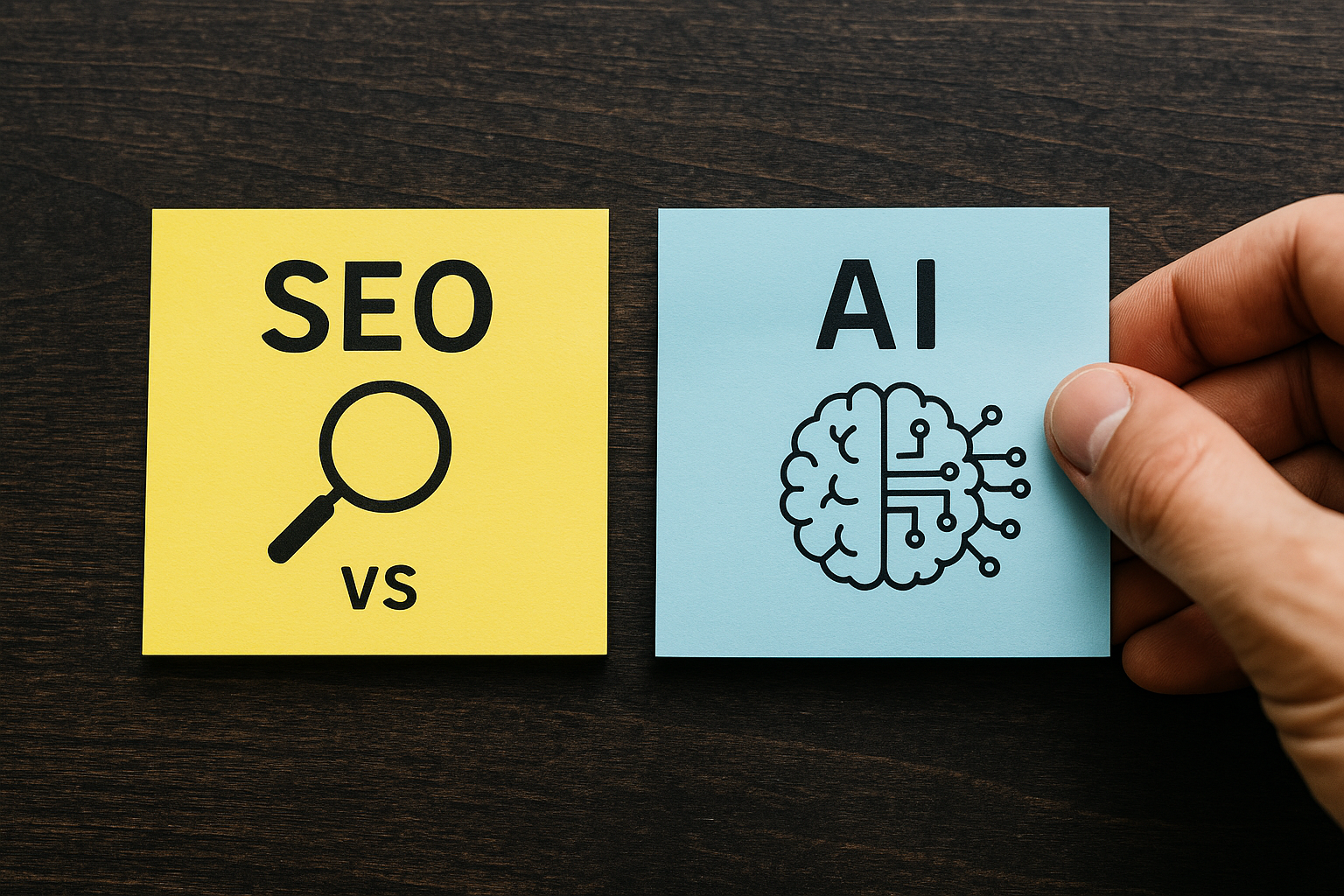
Search engines have long been the go-to for finding information online, with SEO (Search Engine Optimization) guiding how organizations attract attention and traffic. But the rise of AI tools like ChatGPT has changed how people search for and receive information. Instead of typing keywords into Google, more users now ask AI for answers directly. This shift raises an important question—if fewer people are using search engines, is SEO losing its value?
The Changing Behavior of Information Seekers
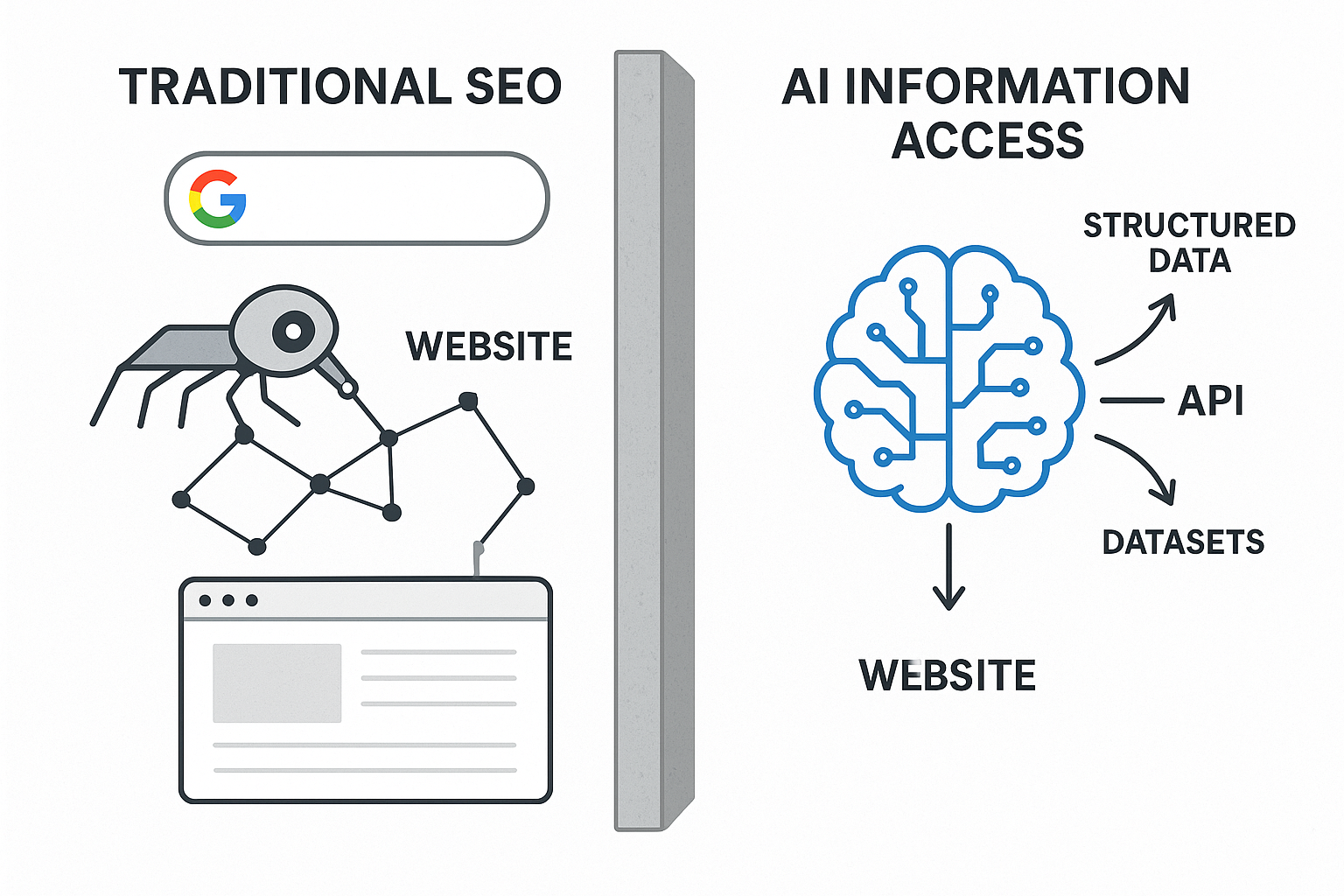
People are increasingly relying on AI to summarize, explain, and suggest answers instantly. Instead of browsing through blog posts, reviews, or company websites via Google, users are asking AI tools to do the digging for them. This means that SEO-focused content may not even reach its intended audience unless it’s part of the AI’s training data or appears in a dataset the AI accesses. As a result, traditional strategies like optimizing for keywords or backlinks may no longer be enough to capture attention.
What Organizations Need to Understand About AI Search
Organizations must recognize that AI doesn’t “crawl” the web in real time like Google does. Instead, it relies on trained data or external plugins to source information. If your content isn’t part of the AI ecosystem whether through APIs, structured data, or integration into AI-enhanced platforms. It may be invisible to users relying on AI for answers. This means companies need to think beyond SEO and start considering how their information appears in the broader AI landscape, including structured data, datasets, and platforms that feed AI tools.
Evolving Strategies Beyond Traditional SEO
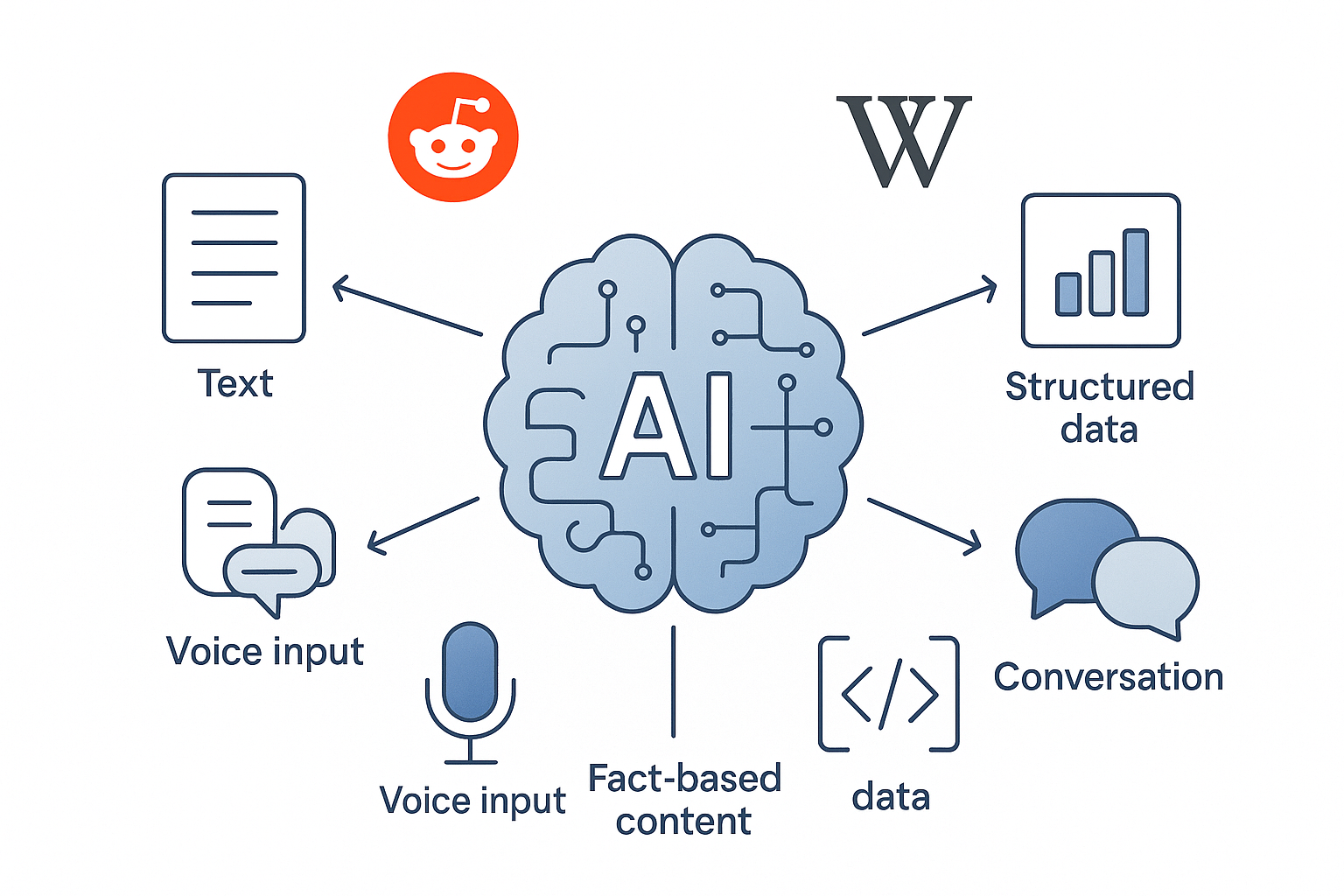
In the AI era, content must be optimized not just for search engines, but for how AI interprets and summarizes it. This could mean prioritizing concise, fact-based writing that AI can pull from easily, or ensuring your brand has visibility on AI-accessible platforms like Reddit, Wikipedia, or data-driven review aggregators. Additionally, companies should consider voice search, conversational UX, and even how their content can be turned into structured data that AI systems can access or learn from directly.
SEO isn’t dead, but it’s evolving rapidly. Organizations can’t rely solely on Google rankings anymore. As user behavior shifts toward AI tools for answers, companies need to rethink how they present and distribute their information. That means understanding how AI finds, summarizes, and relays content—and making sure they’re part of that pipeline. The future of visibility lies not just in search engines, but in how well your content speaks to artificial intelligence.