
In an increasingly global digital marketplace, understanding regional web design trends is essential—yet there are striking commonalities: mobile-first layouts, personalization, bold visuals. While designers tailor their aesthetics to meet local expectations like minimalism in Scandinavia or rich visuals in Japan—successful companies carefully integrate these trends to optimize conversions and user engagement. Below, three real-world examples from diverse countries illustrate how mastering regional trends drives success.
Spotify (Sweden/Global) – Personalized, Dark UI & Micro‑animations
Trend Highlights: dark mode, micro‑interactions, personalization
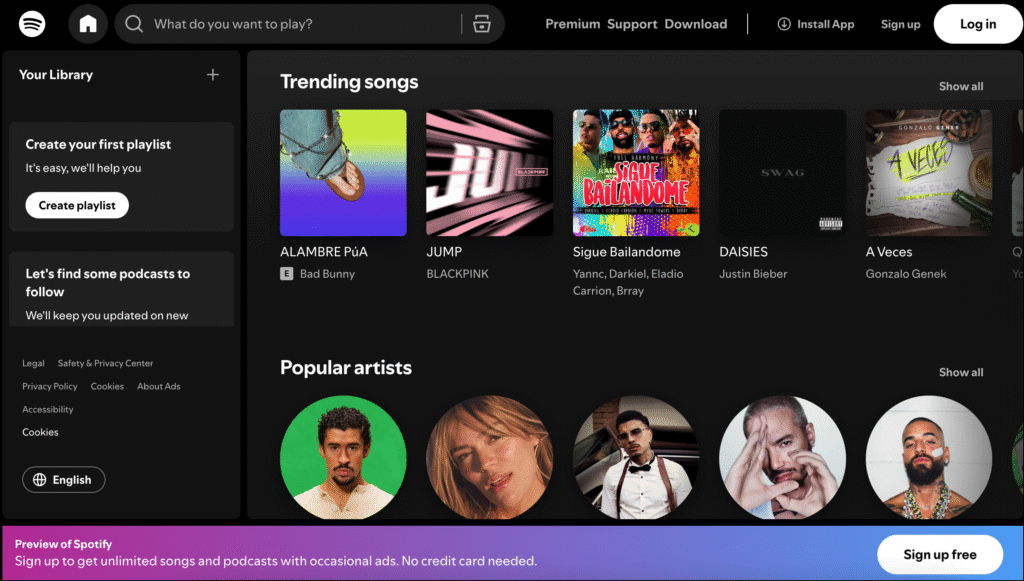
Spotify uses a custom dark-themed interface with parts that glow—an example of the Vivid Glow and Dark Mode trends. The app’s homepage leverages micro‑animations, smooth transitions, and customized elements (like song card animations on hover). These features harness personalized experiences using user data to surface relevant playlists or a Wrapped summary, keeping engagement high . By embracing subtle motion and tailored visuals, Spotify meets both global standards and regional tastes for sleek, immersive interfaces.
Mercedes-Benz China – Futuristic Aesthetics & Immersive Multimedia
Trend Highlights: fullscreen embedded video, conceptual/futuristic aesthetics, AR features
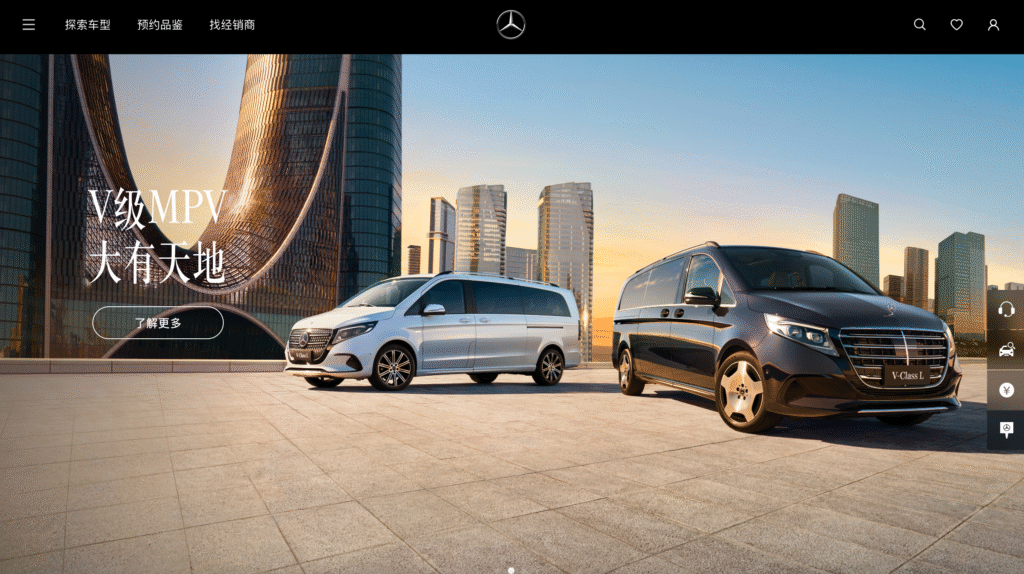
Mercedes-Benz’s China site (e.g. G-Class model page) uses large embedded videos and animated scrolling to showcase cars in dramatic environments connected to the global fullscreen video and immersive storytelling trends. Their futuristic UI, with abstract layouts and non-traditional scrolling, speaks to local preferences for luxury digital experiences. Interactive configurators and AR-enabled car previews reflect personalized immersive experiences. Blending global UX best practices with local luxury-market expectations helps Mercedes maximize lead quality and conversion.
Uniqlo Japan – Minimalist Layout & Organic Design
Trend Highlights: minimalism, organic matter, responsive
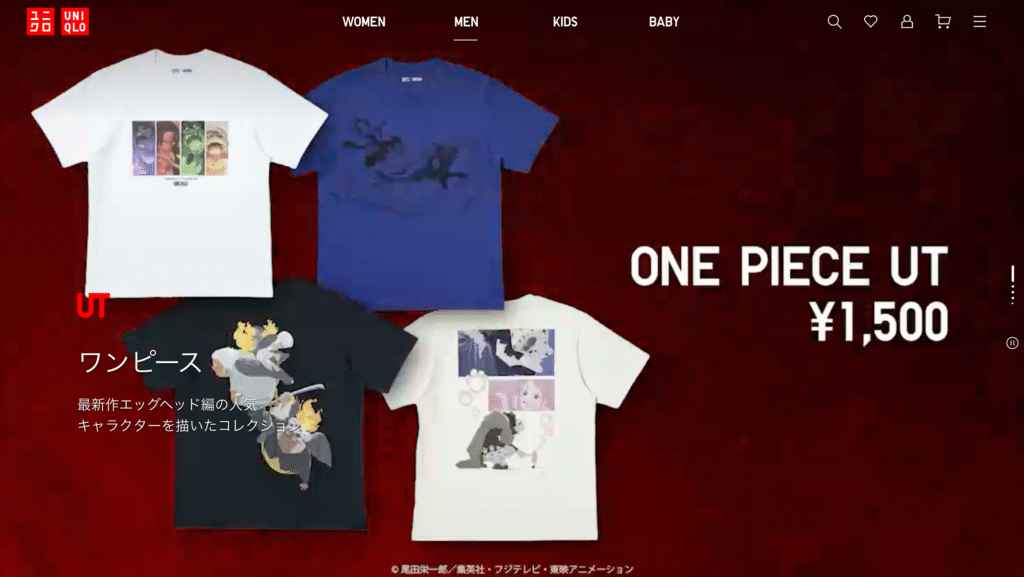
Uniqlo Japan’s website prioritizes clean, grid-based layouts with generous whitespace reflecting regional aesthetic minimalism. The site also adopts organic shapes and product tiles with gentle curves and natural tones, mirroring the Organic Matter trend. Uniqlo’s mobile-first approach ensures fast loading and intuitive navigation, especially important in Asia’s mobile-centric markets. This combination reinforces brand consistency and drives e‑commerce conversions through clarity and subtle local design sensibilities.
Global web design trends like mobile-first, personalization, dark mode, immersive visuals, and creative micro-interactions serve as a foundational framework. But successful brands adapt these to local aesthetic preferences, cultural expectations, and user behaviors. Spotify marries micro-animations with personalization, Mercedes-China goes bold with immersive multimedia, and Uniqlo Japan affirms minimalism and organic aesthetics.
For companies aiming to capture leads and grow globally, the message is clear:
- Study regional trends
- Apply global best practices
- Optimize content and visuals to resonate with each audience
By understanding both the universal and the regional, businesses can build websites that are not only visually compelling but also conversion-focused across markets.